
A public natural space is emerging from an agricultural area — a place where research, agriculture, biodiversity, and everyday life come together.
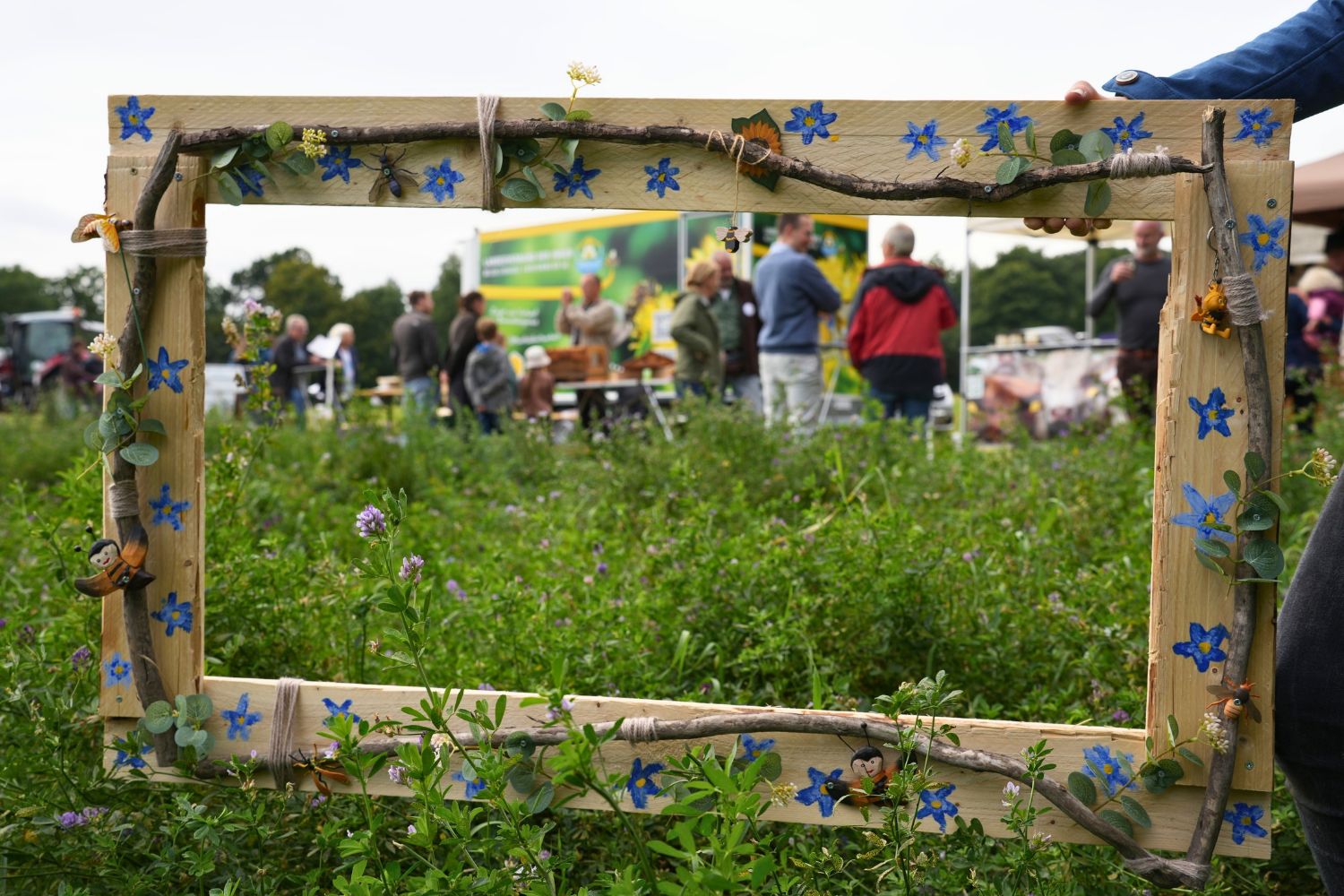
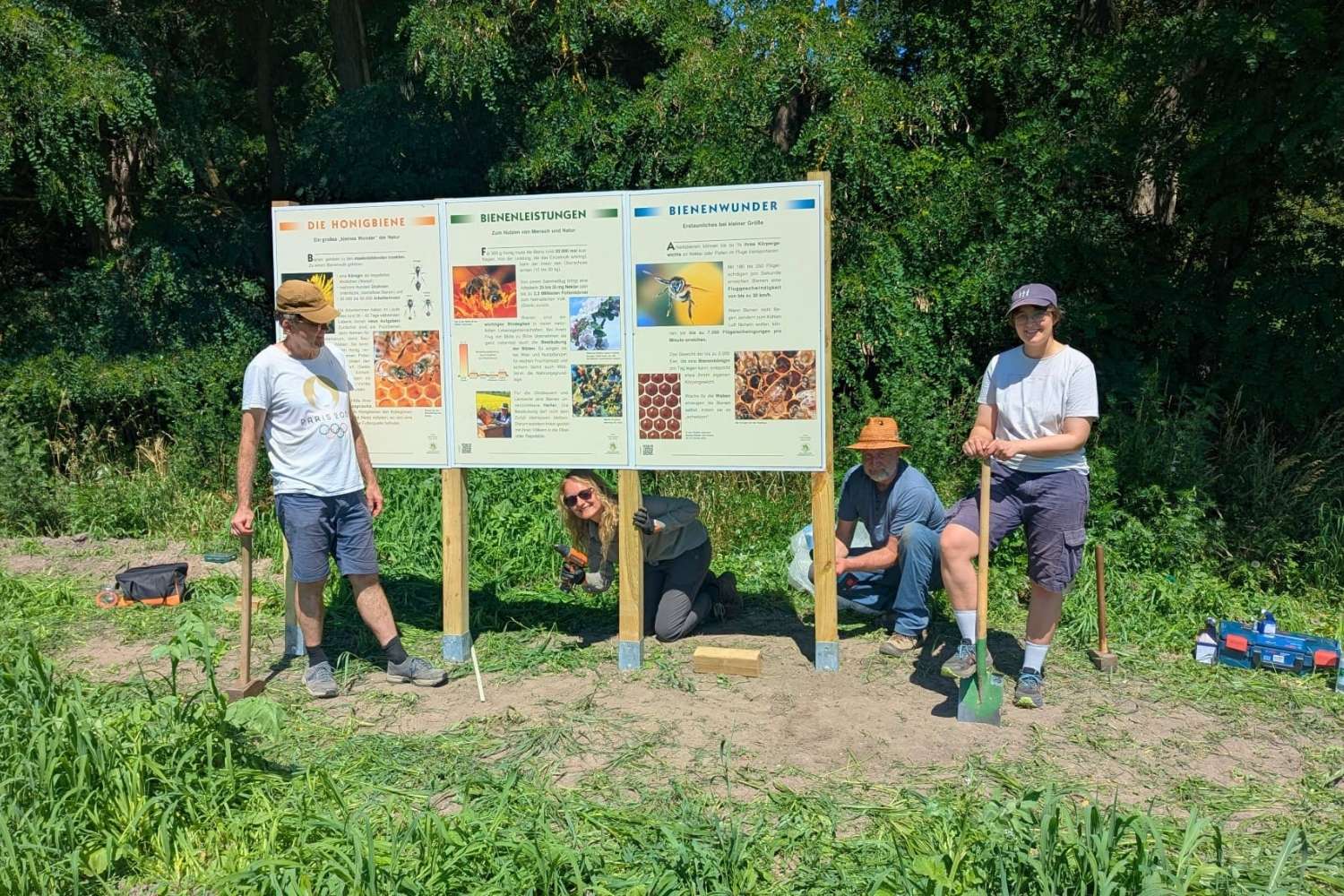
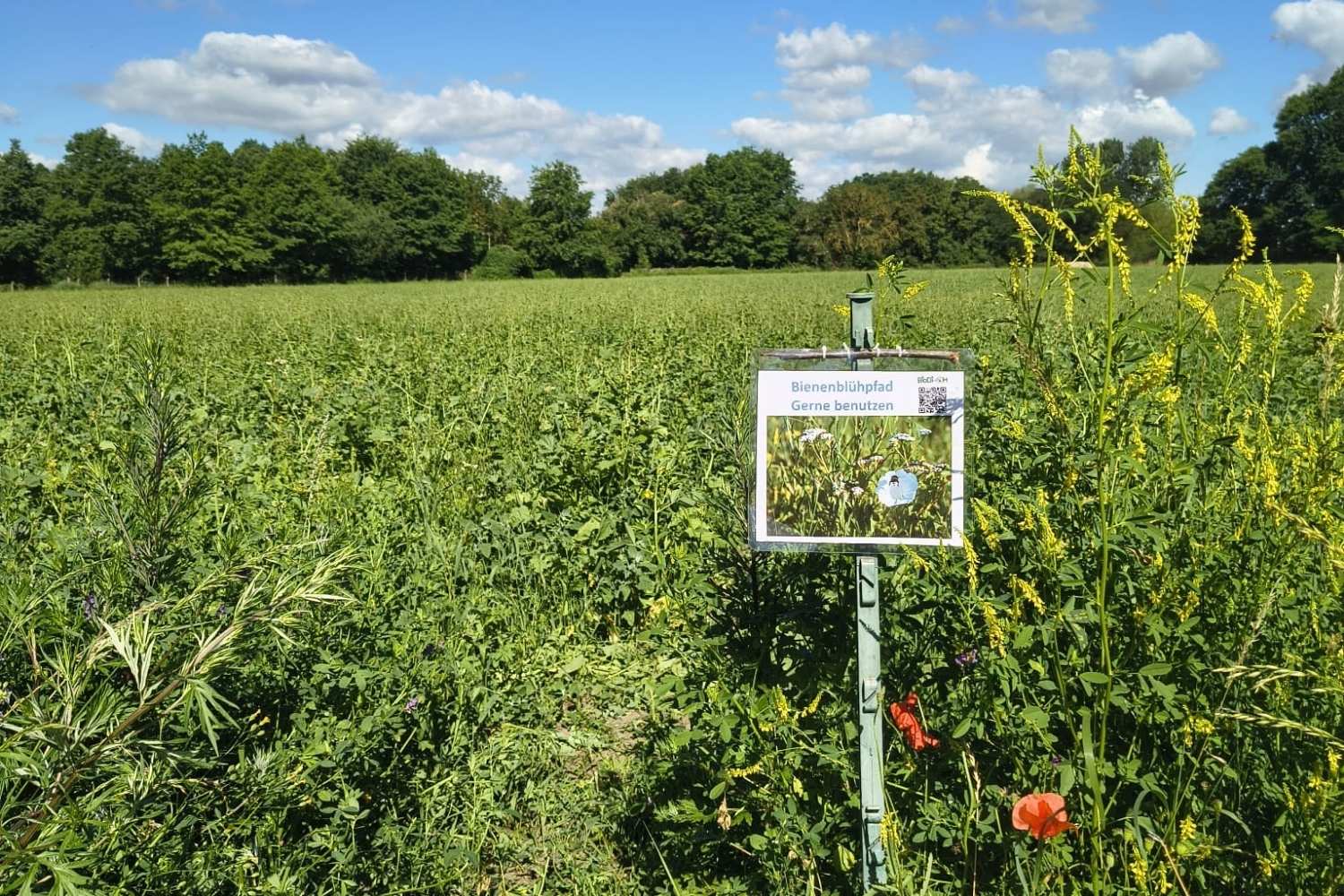
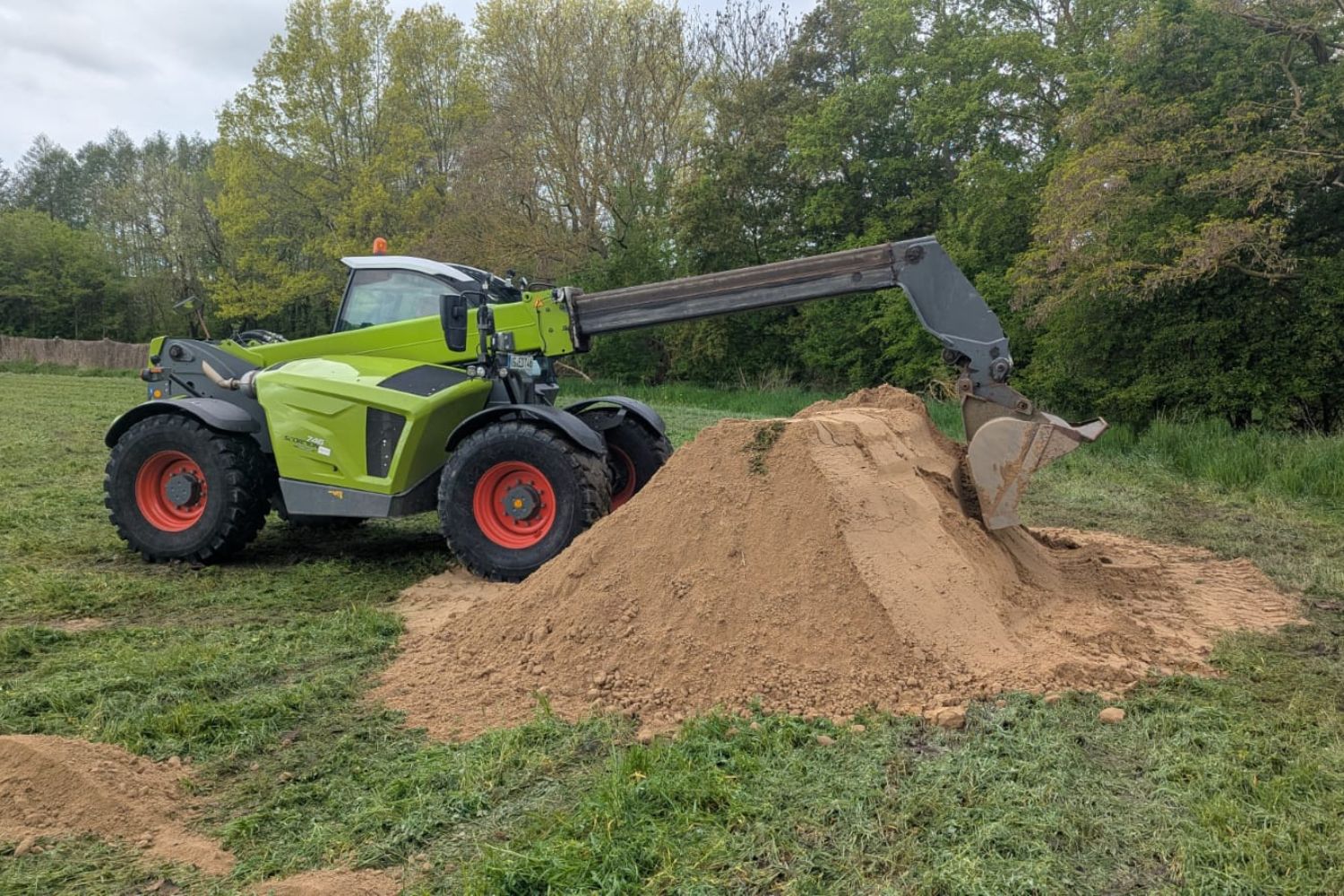
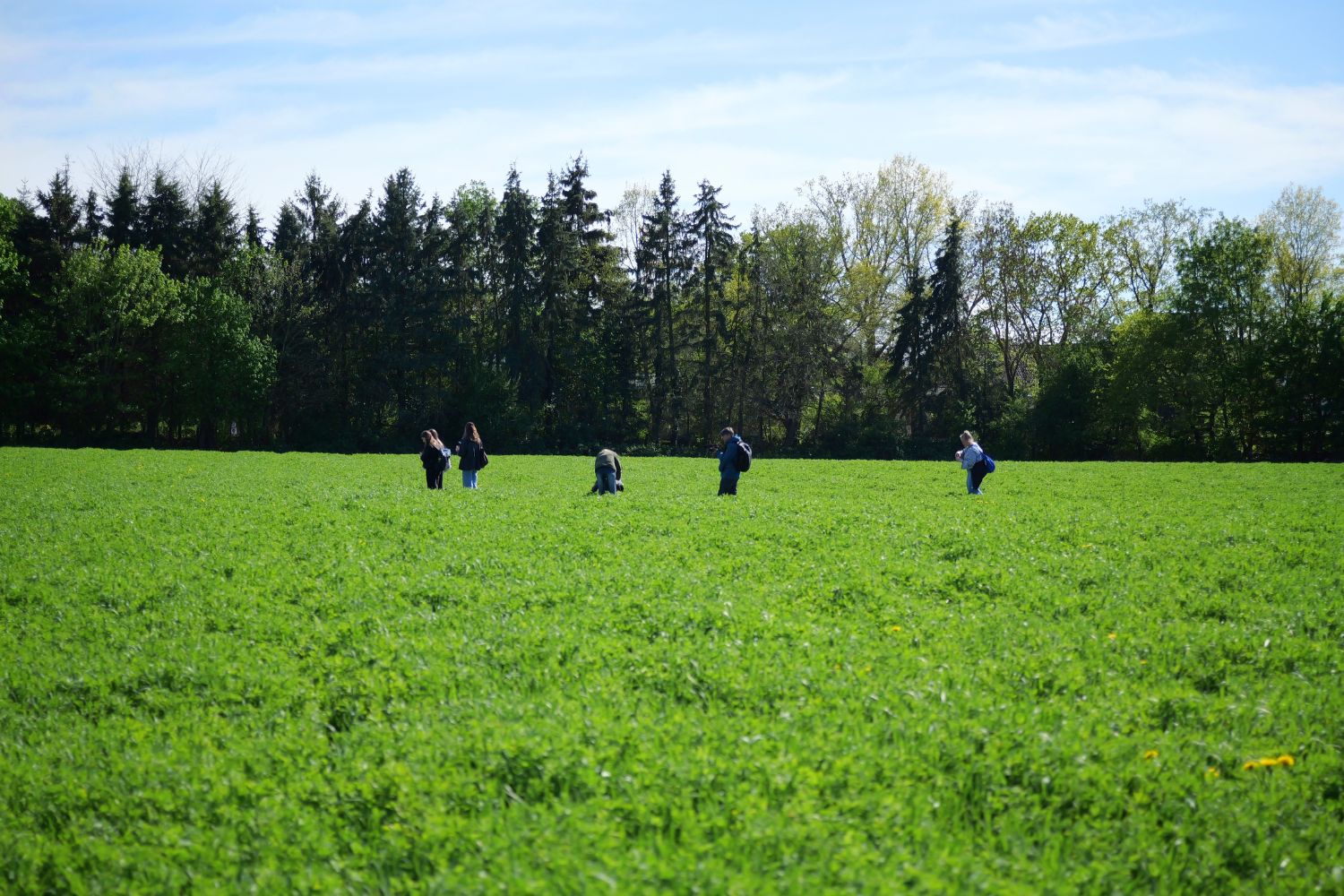
Between the monastery ruins and the Eldena beach area, a new natural and experiential space for people and the environment is taking shape across around three hectares. Over the coming months, a former agricultural area will develop into a species-rich flowering landscape with native plants, pathways, and interactive activities.
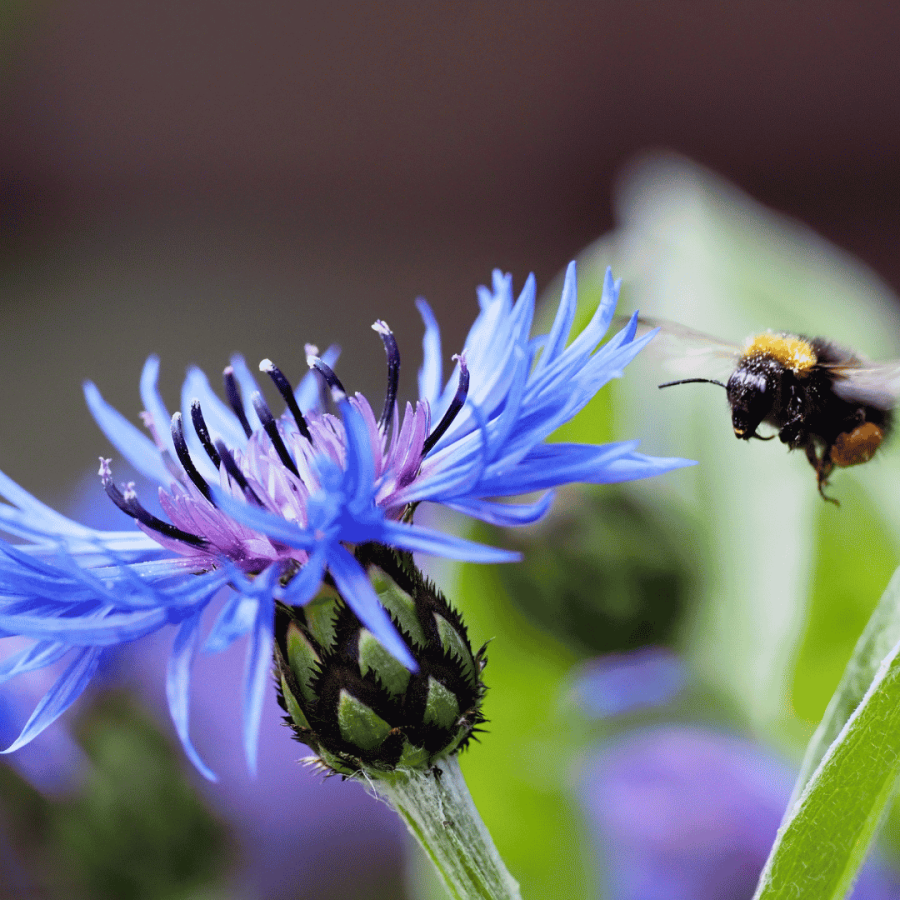
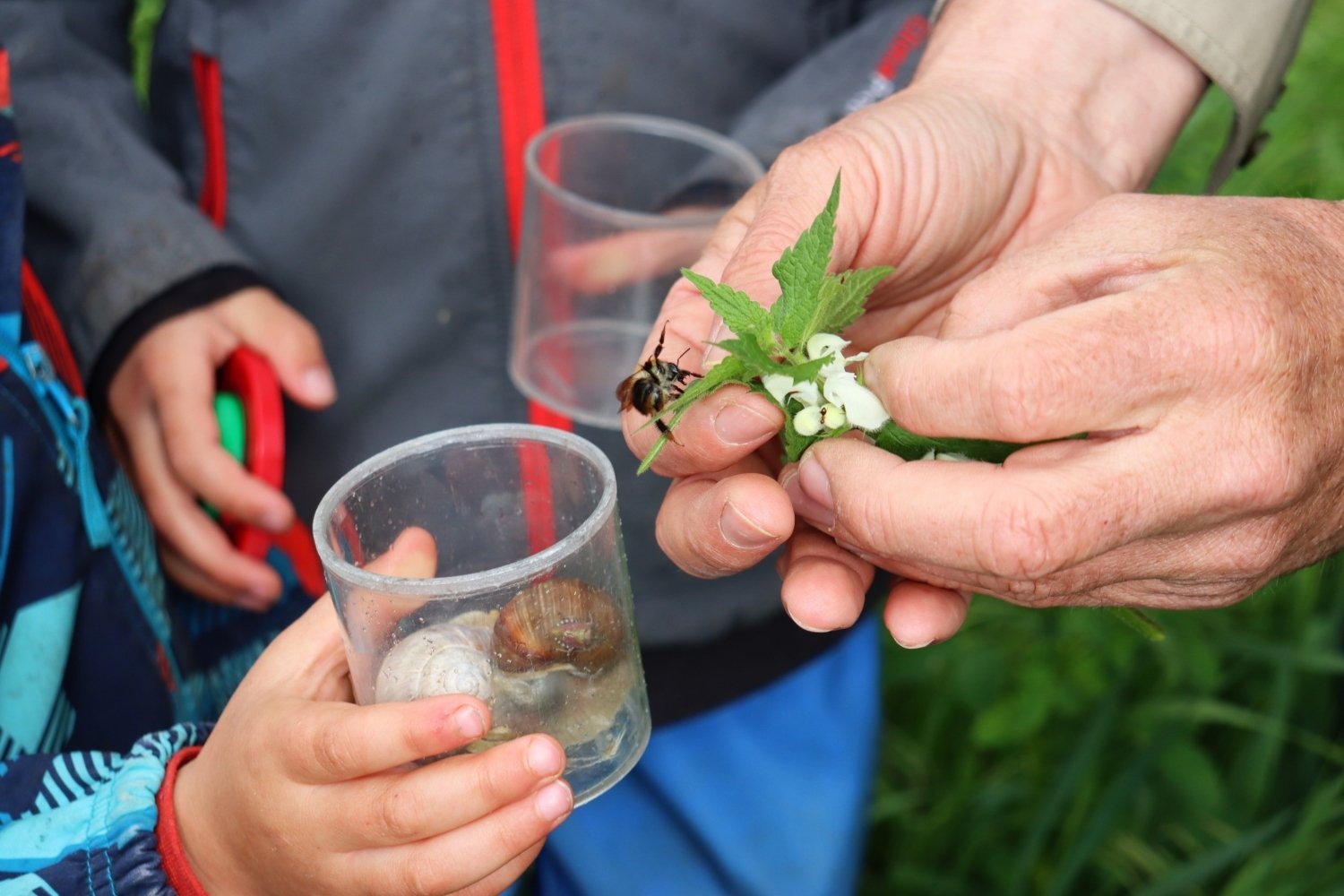
The area is intended to create a habitat for wild bees, butterflies, and many other insect species — while also becoming a place where people can experience nature directly: through walking, observing, learning, and taking part in shared events and workshops.
Measuring Insect Biodiversity
Together with interested members of the public, we are investigating how insect and plant diversity develops across the site. Particular attention is being given to wild bees, honey bees, and the plant species they benefit from.
In addition, researchers at the Friedrich-Loeffler-Institut are investigating how a more diverse environment affects bee health and what role pathogens play in the interaction between wild bees and honey bees.
Enabling Civic Engagement
But our flowering field is not just for bees. We have created pathways that allow visitors to experience the colorful diversity of the site with all their senses — while walking, relaxing, exercising, or taking part in one of our guided activities or workshops. In this way, we hope to encourage as many people as possible to become actively involved in supporting insect biodiversity in Vorpommern over the long term.
Creating Economic Perspectives for the Future
The project also aims to demonstrate how biodiversity promotion, local recreation, and agricultural land use can be meaningfully combined. If such concepts prove successful in the long term and receive regional support, they could create new perspectives for agricultural land use and biodiversity in Vorpommern.
Understanding the Connection Between Biodiversity and Human Well-Being
To better understand how a healthy diversity of nature is connected to human well-being, we are using linguistic research methods to explore how people experience nature and biodiversity on the site — and whether they perceive a connection between visiting the flowering field and their own sense of well-being.
Participation & Contact
You are welcome to visit our flowering field at any time on your own. We also regularly organize guided tours and workshops on topics such as wild bees, honey bees, and bee health. You are also invited to join our regular field surveys and help identify plants and wild bees, assess Varroa mite infestation with us, or take part in soil health investigations carried out by our partner project Agribiom.
You can find upcoming dates and events in the event overview on this page and via the Instagram account of the One-Health-Region Vorpommern.
Participating Organizations:
University of Greifswald, Chair of German Linguistics
Practice Partners:
Greifswalder Agrarinitiative e.V.
Kontakt: biodi-oh@uni-greifswald.de
Neuigkeiten und Einblicke
Bauernverband Ostvorpommern
Anne Vaegler
Projektkoordinatorin, wissenschaftliche Mitarbeit
Dr. Jana Brendecke
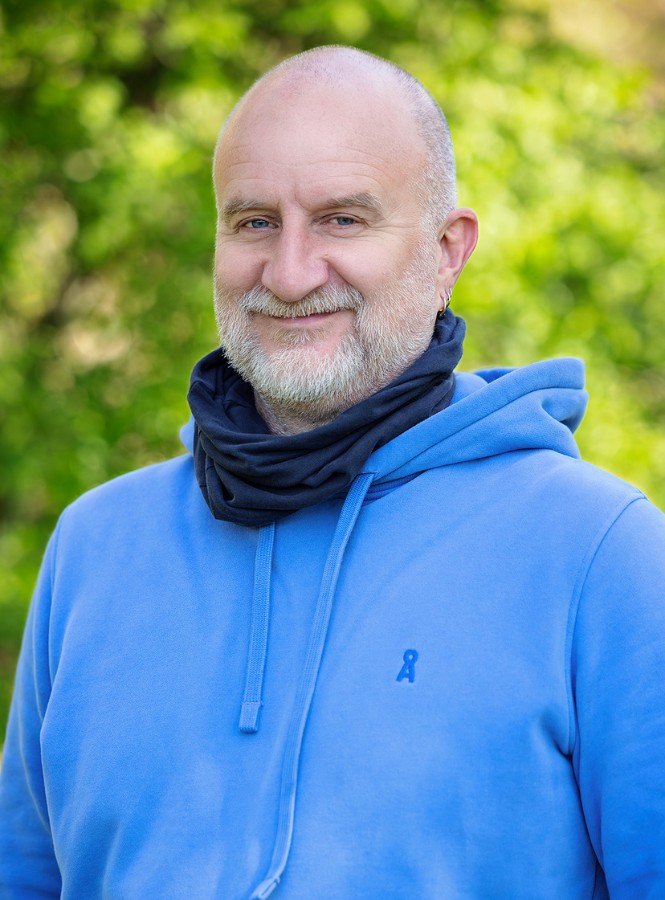
Wildbienenexperte
Johann-Christoph Kornmilch
Verbundkoordinator und Leiter Teilprojekt 1 (Friedrich-Loeffler-Institut)
Dr. Marc Oliver Schäfer
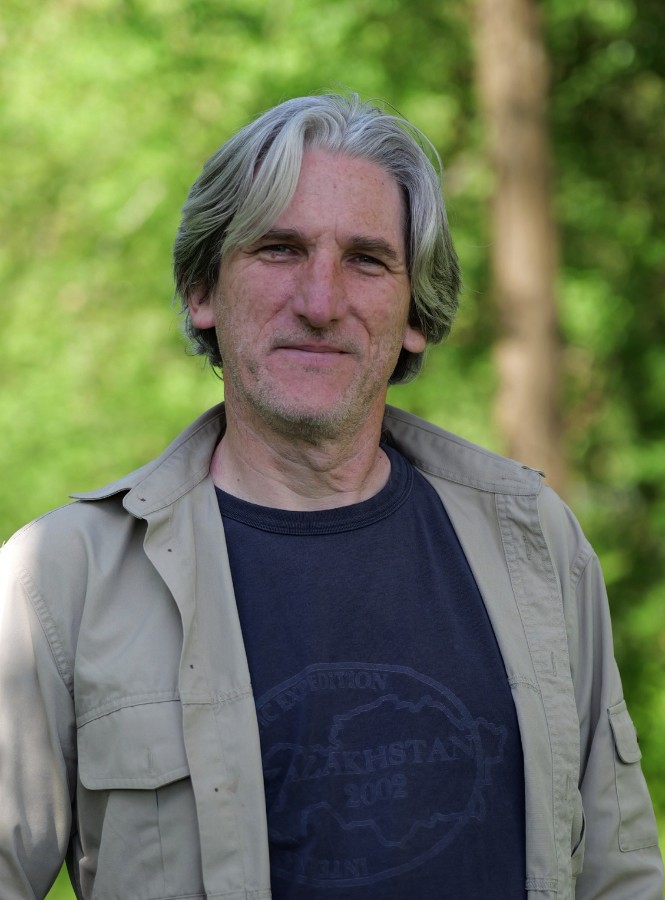
Leiter Teilprojekt 2 (Universität Greifswald)
Prof. Dr. Klaus Wolfgang Kesselheim
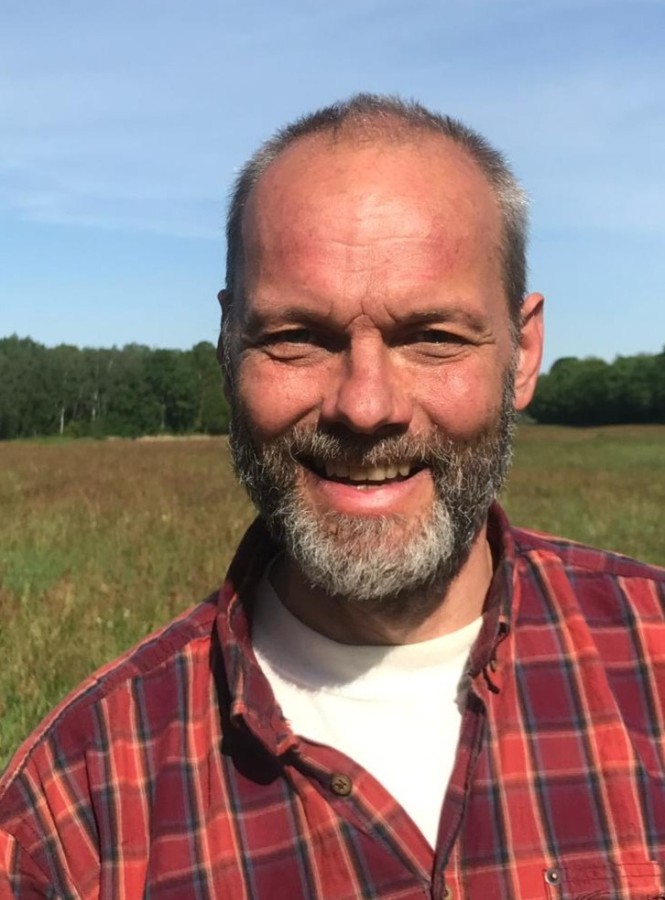
Greifswalder Agrarinitiative e.V.
Thomas Beil
Further projects
Project leadership
Projekt AgriBiom
Projekt CIFLY
Project leadership
Projekt MDR-Dekol
Projekt PEB OH
Projekt Perform OH
Projekt RealLab OH

Projekt RegioTranformOH
Project leadership
Projekt RUmBA
Projekt Wald I Gesund